

Merchant Seaman Jobs: How to Find Real Work at Sea
Where do real merchant seaman jobs hide, and how do you tell them from the fakes? They are paid crew positions on commercial ships such as tankers, bulk carriers, container ships, car carriers and cruise vessels. Hundreds of openings appear every week, but scam posts, fake agents and expired listings crowd the same search results. The seafarers who get hired fastest follow one simple plan: they keep valid STCW certificates, they apply only through a licensed manning agency or a verified shipowner channel, and they never pay anyone for a berth.
Why Is There So Much Demand for Seafarers in 2026?
The shipping industry is short of people, and that is good news for anyone looking for work at sea. The BIMCO and ICS Seafarer Workforce Report 2026 estimates that 2.57 million seafarers operate 85,148 merchant ships, and that the industry will need 113,735 more officers by 2030. Demand for certified seafarers has grown 35 percent since 2021.
Filipino readers should pay attention to the next number. The Philippines is still the world’s top supplier of seafarers, and it ranks first in both the officer and rating categories. The report counts about 203,179 Filipino officers and 256,968 Filipino ratings. The five biggest supplier countries together make up 56.25 percent of the global workforce.
Strong demand does not mean every offer is real. It means shipowners keep hiring, and bad actors know it.
What Jobs Can a Merchant Seaman Get?
Merchant seaman jobs fall into three departments on every ship, and your training decides which one you can enter.
Deck department. These crew members navigate, keep watch, handle cargo and maintain the ship. Ratings start as Ordinary Seaman and move up to Able Seaman and Bosun. Officers climb from Third Officer to Master.
Engine department. These crew members run and repair the machinery. Ratings include Wiper, Oiler and Motorman. Officers include Fourth Engineer up to Chief Engineer, plus the Electro Technical Officer.
Catering department. This team feeds the crew. Roles include Cook, Steward and Messman.
The ship type matters as much as the rank. Tankers, bulk carriers, container ships, gas carriers, car carriers, cruise ships, ferries, tugs and offshore vessels all hire. Gas and chemical tankers ask for extra endorsements, but they usually pay more.
Beginners should aim at rating positions first. Filipino officers usually enter through a four year marine transportation or marine engineering degree followed by onboard training. Ratings can start with basic safety training and the right seafarer documents. If you want to see what each rank can earn before you choose a path, our guide to maritime jobs is a good place to compare roles.
What Documents and STCW Certificates Do You Need?
Every employer checks your paperwork before reading anything else. Missing or expired papers are the most common reason good candidates get skipped.
Prepare these before you apply: A valid passport. A seafarer’s identification and record book (seaman’s book). A valid medical certificate from an approved clinic. STCW basic safety training certificates. Rating or officer certificates for your rank (a Certificate of Competency for officers). Vessel specific endorsements if you want tanker, gas or offshore work. Proof of past sea service, such as discharge papers or service letters.
STCW basic safety training is the international minimum. It covers four areas: personal survival techniques, fire prevention and firefighting, elementary first aid, and personal safety and social responsibilities. Under the STCW rules, these certificates need to be refreshed about every five years, so check your dates now rather than after you get an offer.
Scan every document into one clear folder on your phone. Agencies ask for the same files again and again, and a fast reply often beats a better candidate who is slow to send papers.
How Do You Become a Merchant Seaman Step by Step?
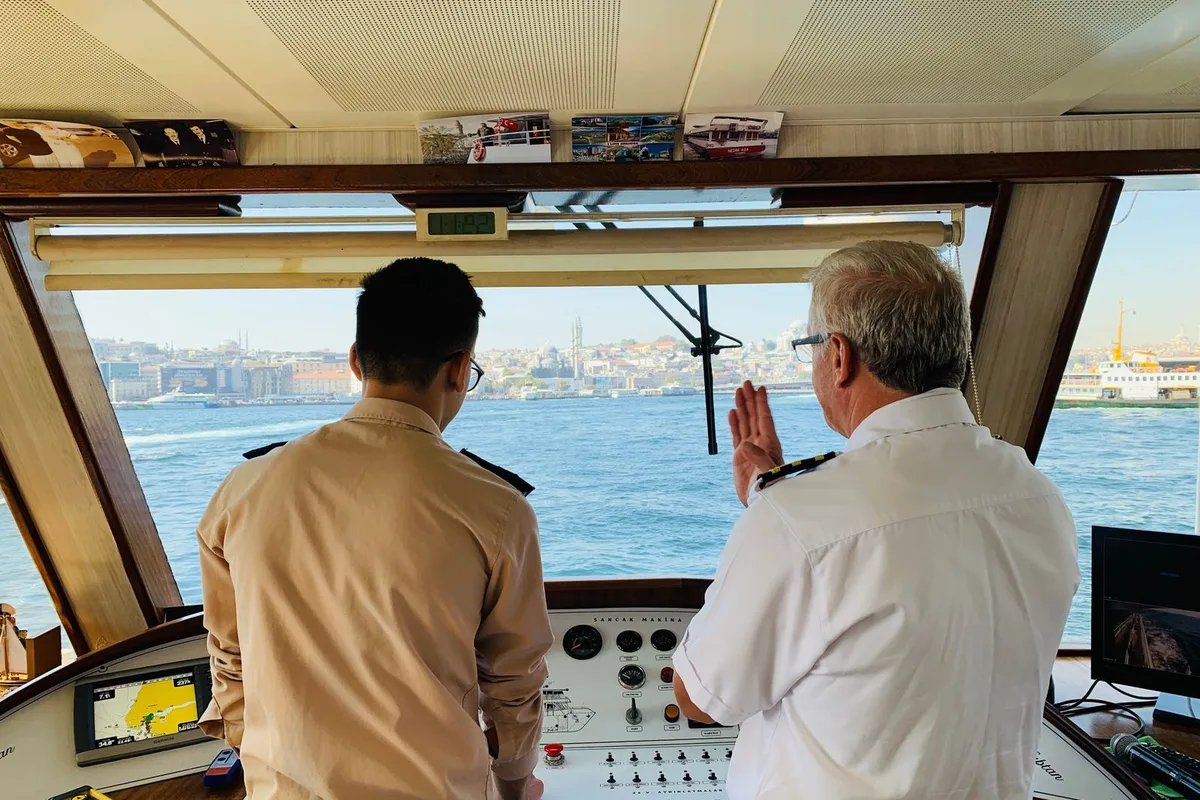
Here is the shortest honest path from civilian to crew member.
1. Pick your department and level. Decide between deck, engine or catering, and whether you are going the officer route or the rating route.
2. Finish approved training. Take your STCW basic safety courses and any rank courses from an accredited training center.
3. Collect your seafarer documents. Get your passport, seaman’s book and medical certificate in order.
4. Build a clean seafarer CV. List your certificates with expiry dates and your sea service with vessel type, rank and dates.
5. Apply through licensed channels. Use a licensed manning agency, a verified job board or an official job fair.
6. Pass the interview and pre employment checks. Expect questions on safety, your training and your past ships.
7. Read your contract before signing. Confirm the rank, wage, contract length and repatriation terms, and keep a copy.
8. Join the ship. Complete the final travel and clearance steps and report to your vessel.
Your first contract matters more than your first salary. Every rank above entry level depends on documented days at sea.
Where Do You Find Merchant Seaman Jobs Hiring Right Now?
Real openings come from four places. Use all of them, because each one reaches different employers.
Licensed manning agencies. In the Philippines, most deployment goes through agencies licensed by the Department of Migrant Workers (DMW). They hold the job orders from foreign shipowners and ship managers. Visit their offices, send your CV by email and follow up politely.
Verified job boards. Several platforms collect vacancies from crewing companies and shipowners. At the time of writing, SeaJobs showed 1,439 live vacancies and states that seafarers pay nothing to register or apply. Martide advertises free accounts, document storage and job alerts, and reports more than 55,000 seafarers on its platform. Jobmarineman says it verifies shipowners and lists vessel details, rank, wage scale and contract length in each post. Set up alerts for your rank and vessel type so new merchant seaman job openings reach you first.
Job fairs. Government backed fairs let you meet recruiters face to face. The Maritime Industry Authority (MARINA), with the DMW and the Association of Licensed Manning Agencies, held a job fair on June 25, 2026 in Manila, where 25 licensed agencies reviewed applications and hired on the spot. Seafarers had to pre register online, and the vacancy list was shared through QR codes. Watch MARINA and DMW announcements for the next one.
Direct company channels. Large crewing companies post openings on their own sites. Some also list the ships and ranks they need. This is the safest way to confirm a job is real, because the employer is the one posting it.
Facebook groups and messaging apps can point you to leads, but treat them only as leads. Never send documents or money to a stranger from a group post.
How Do You Check a Licensed Manning Agency in the Philippines?
Checking takes ten minutes and can save you months of grief. The DMW tells job seekers to check its website for the list of licensed agencies and approved job orders before dealing with any recruiter. In 2023, it padlocked a Manila consultancy that had no license to recruit or deploy seafarers abroad.
Use this quick check: Search the agency name on the DMW list of licensed manning agencies. Confirm the license is active, not expired or suspended. Ask for the approved job order for the exact position you want. Visit the office in person if you can, and note the address. Ask for the name of the principal, the vessel and the trading area.
Pay attention to where the ship will sail. In July 2026, the DMW began investigating manning agencies after drone attacks on nine commercial vessels in the Black Sea, where 139 Filipino crew members were deployed and two died, 12 were hurt and one went missing. The department said agencies that skip required reporting before sending crew into high risk areas could face suspension. A good agency answers questions about the ship and its route openly. A weak one gets annoyed.
How Can You Spot Fake Merchant Seaman Jobs?
Fake merchant seaman jobs follow patterns. Learn them and you can spot most scams in one message.
They ask for money. Legitimate crewing agencies do not charge seafarers for a contract, a berth, a medical, certificates, visas or ‘processing.’ Stop all contact if someone asks.
They promise a guaranteed job. Real hiring includes screening and interviews.
The pay looks too high for the rank. An Ordinary Seaman salary of an officer’s size is bait.
No vessel name or IMO number. Real employers can name the ship or at least the vessel type and owner.
They only use private chat and personal email addresses. Licensed agencies have offices, landlines and company emails.
They rush you. Pressure to pay ‘today or lose the slot’ is a classic trick.
If you doubt an offer, check the agency on the DMW list and call the office using a number you found yourself.
How Much Does a Merchant Seaman Earn?
The merchant seaman salary depends on rank, ship type, company and contract. The only fixed floor is the global minimum wage for able seafarers. The ILO set that minimum at 690 US dollars a month from January 2026, rising to 704 dollars in January 2027 and 715 dollars in January 2028. Most real wages sit well above this floor, and officers earn far more.
Recent advertised pay shows the spread. On SeaJobs, one Third Officer car carrier role started from 3,950 USD, a Third Engineer on a reefer vessel from 3,760 USD, and a Master on an LNG carrier from 23,500 USD. These are starting figures from European crewing agencies, so treat them as examples and not promises. Pay for merchant seaman jobs also changes with allowances, overtime and company agreements.
Filipino seafarers can see rank by rank numbers in our guide to seaman salary in the Philippines. Always compare the basic wage, overtime and leave pay in your contract, not just the headline number.
How Do You Write an Application That Gets a Reply?
Recruiters read hundreds of CVs, so make yours easy to scan. Put your rank, certificates and expiry dates at the top. List your sea service in a clean table with vessel name, vessel type, company, rank and dates. Write in simple English, because most principals are international. Keep a new seafarer CV to one page, and let an experienced CV run to two.
Send your application from a professional email address and attach clear scans, not photos taken at an angle. Reply to every recruiter message within the same day when you can. Agencies often fill urgent positions with the first complete candidate they find.
What Should You Expect on a First Contract?
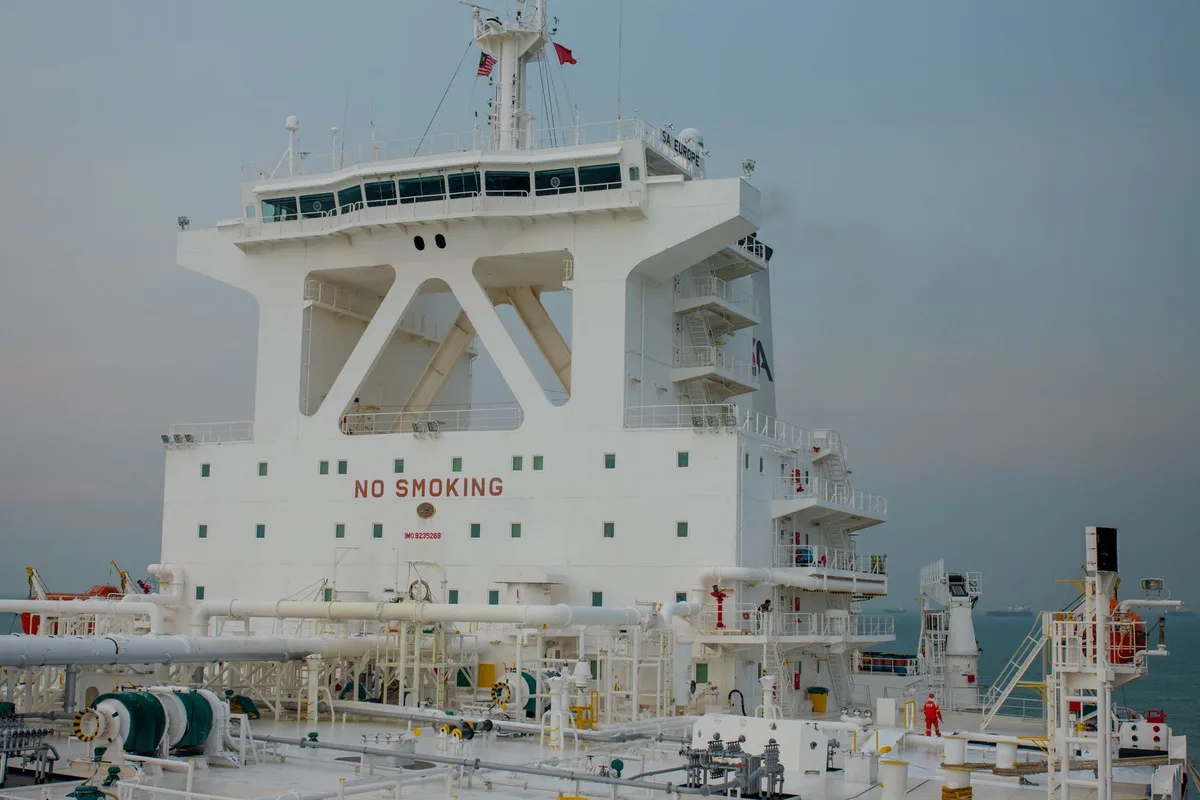
Contract lengths differ a lot. Current listings show four weeks on some dredgers, three to four months on many officer roles and six months on some container ship and bulk carrier positions. Ask for the exact length before you sign.
Entry level work is physical. Ordinary Seamen handle maintenance, mooring, cleaning and lookout duty. Wipers clean engine spaces and assist the engineers. The pay is modest, but the sea time is what opens every promotion that follows.
Keep copies of your contract, your service records and your wage slips. Your rights under the Maritime Labour Convention include a written agreement, fair pay and repatriation. Knowing them protects you if something goes wrong.
Final Thoughts
Finding merchant seaman jobs is mostly about preparation and caution. Keep your STCW certificates and documents current, apply only through licensed or verified channels, and check the agency and the ship before you sign. Do that, and the global shortage of seafarers works in your favor. For more guides and job coverage, visit MarineOar.
FAQ
Where can I find merchant seaman jobs hiring now? Use DMW licensed manning agencies, verified job boards such as SeaJobs, Martide and Jobmarineman, official job fairs and company websites. Always confirm the agency on the DMW list first.
Do I have to pay a manning agency to get hired? No. Legitimate agencies do not charge seafarers for placement, contracts, medicals or processing. Treat any payment request as a scam.
Which STCW certificates do I need to start working at sea? You need STCW basic safety training, which covers personal survival techniques, fire prevention and firefighting, elementary first aid, and personal safety and social responsibilities. Officers also need a Certificate of Competency.
How long does it take to get a first job on a ship? It varies. Some seafarers receive offers within days of completing their profile and documents, while others wait several weeks, depending on rank, ship type and paperwork.
One Comment
Comments are closed.