Parts of a Ship: A Complete Guide With Diagrams Described
What are the parts of a ship? The parts of a ship are the hull, keel, bow, stern, decks, superstructure, bridge, engine room, propeller, rudder and the gear used for anchoring, mooring, cargo and boarding. Each of these ship parts has one job: keep the vessel afloat, moving, steerable and safe. Learn these parts and you can read any ship plan, news story or crew conversation with confidence.
Since a diagram is hard to share in text, this guide describes the pictures for you. Read each description slowly and picture the ship in your mind. You can also sketch it as you go.
How Can You Picture a Ship in Your Mind?
Imagine three views of the same ship.
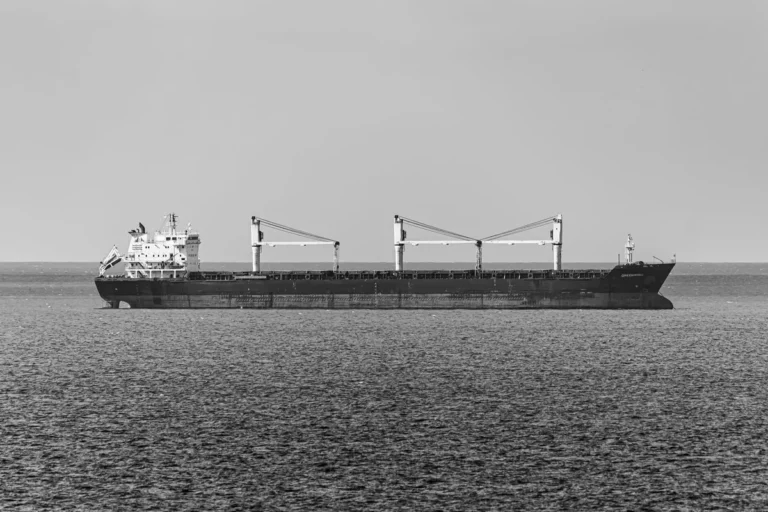
Side view. Picture a long shape floating on water. The pointed front is the bow. The blunt back is the stern. In the middle, a tall block with many windows sits above the main deck. That block holds the bridge and living spaces on most cargo ships. On many tankers and bulk carriers, it sits near the stern.
Top view. Look from above and you see the main deck as a long, narrow floor. The left side is port and the right side is starboard, as seen when you face forward. Hatch covers or tank lids run down the middle on cargo ships.
Cross section. Slice the ship across the middle. You see the outer hull shell, a flat or curved bottom, inner tanks along the base, cargo holds in the center and decks stacked above.
Keep these three views in mind. Every part below fits into one of them.
What Are the Main Parts of a Ship?
The main parts of a ship fall into six groups. This quick table shows each group and what it does.
| Group | Key parts | Main job |
|---|---|---|
| Structure | Hull, keel, frames, bulkheads | Hold the ship together and keep water out |
| Ends and sides | Bow, stern, port, starboard | Give direction and position |
| Above deck | Superstructure, bridge, funnel, mast | Control, living space and exhaust |
| Cargo and deck | Main deck, holds, hatch covers, cranes | Carry and handle cargo |
| Power and steering | Engine, shaft, propeller, rudder | Move and steer the ship |
| Safety and access | Gangway, anchors, lifeboats, mooring gear | Berth, board and survive emergencies |
The next sections walk through each group in plain language.
What Is the Hull of a Ship?
The hull is the main body of the ship, the watertight shell that floats on the water. It holds everything else: cargo, engines, fuel and crew. A hull is built from steel plates fixed to a frame of strong beams. Inside, walls called bulkheads divide the hull into watertight compartments. If one compartment floods, the others can stay dry, which gives the ship a better chance to stay afloat.
Keel
The keel is the backbone of the hull. It runs along the bottom from front to back and carries much of the ship’s structural strength. Think of it as the spine, with the frames as ribs.
Double Bottom and Ballast Tanks
Most large ships have a double bottom, which is a second inner floor above the outer hull. The space between holds fuel, fresh water or ballast water. Ballast tanks take in or pump out water to keep the ship stable and at the right depth, especially when the ship carries little cargo.
Bulbous Bow
Many large ships have a rounded bulge at the front of the hull, just below the waterline. This bulbous bow is designed to cut drag and help the ship move through water more efficiently.
What Are the Bow and Stern of a Ship?
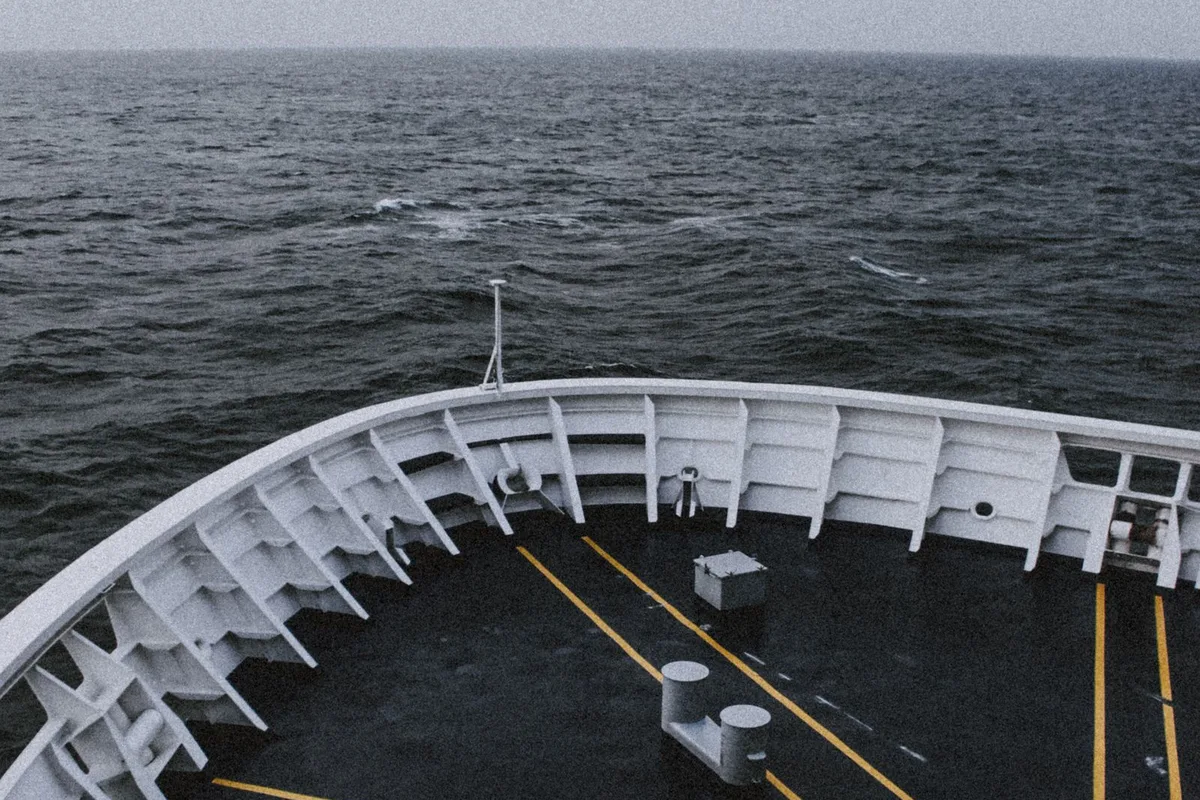
The bow is the front of a ship, and the stern is the back. They are the first parts most people learn.
The bow is shaped to slice through waves. At the very front sits the stem, the strong vertical edge of the hull. On the deck above the bow, you find the forecastle, often called the fo’c’sle. It is a raised area that holds anchor and mooring equipment and helps keep green water off the deck in rough seas.
The stern holds the steering and propulsion gear underwater: the propeller and the rudder. On the deck above, you often find mooring winches and, on many ships, the accommodation block.
What Are Port and Starboard on a Ship?
Port is the left side of a ship and starboard is the right side, as seen when you face the bow. Sailors use these words because left and right change depending on which way a person faces. Port and starboard never change.
There is a handy safety rule tied to these sides. A ship at night shows a red light on its port side and a green light on its starboard side. Two sides, two colors. Another vessel can read those lights to know which way the ship is heading.
What Is the Superstructure?
The superstructure is everything built above the main deck. On most ships it forms a tall block, and it holds the spaces people use every day.
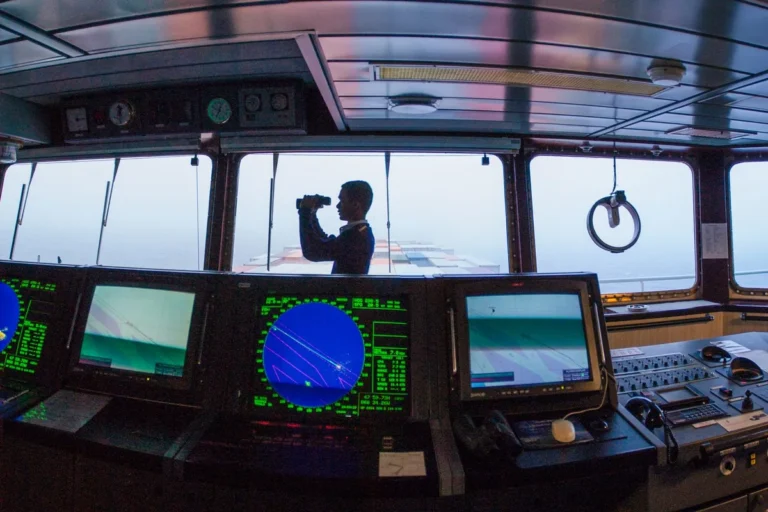
Bridge: the control center for navigation and steering. It holds radar, charts, radios, engine controls and the ship’s wheel or steering controls. The bridge is where the master and watch officers work.
Bridge wings: open platforms at each side of the bridge that give officers a clear view when docking.
Accommodation: cabins, mess rooms, galley, offices and the ship’s hospital.
Funnel: the stack that carries engine exhaust away from the ship.
Mast: the tall pole that holds antennas, lights and signal gear.
The bridge team is led by the master, with the chief officer playing a major role in deck operations. If you want to know who that is, read our guide on what a chief mate is.
What Are the Decks, Holds and Cargo Parts?
A deck is a floor level on a ship. The main deck is the top continuous deck that you can see from the side. Below it, lower decks and holds carry cargo, machinery and stores.
Cargo holds: large spaces below deck, used on bulk carriers and general cargo ships.
Hatch covers: heavy steel lids that seal the holds and keep water out.
Tanks: sealed compartments for liquid cargo on tankers, such as crude oil or chemicals.
Cranes and derricks: lifting gear that loads and unloads cargo. Many ships carry their own, while others rely on shore cranes.
Container guides: on container ships, steel cell guides hold the boxes in neat stacks.
Different ship types arrange these parts differently, but the idea stays the same: a strong deck on top, protected cargo spaces below.
What Does the Engine Room Do?
The engine room is the machinery space where power is made. The main engine turns a long shaft that runs to the stern. At the end of the shaft is the propeller. Generators make electricity for lights, pumps, navigation gear and cargo equipment. Other machinery handles fuel, cooling, water, air and waste.
Engineers work here in watches. They monitor gauges, fix faults and keep the plant running around the clock. If the engine stops, the ship loses its main way to move, which is why engine officers are in such high demand in the global shipping workforce.
What Is the Rudder on a Ship?
The rudder is a flat blade at the stern that steers the ship. It sits behind the propeller. When the helmsman or autopilot turns the steering gear, the rudder turns, and the flow of water pushes the stern sideways. That swings the bow to the left or right.
The rudder connects to the ship through a strong vertical shaft called the rudder stock, which passes up into the steering gear room. The steering gear is the machine that moves the rudder. Because steering failure can be dangerous, ships have backup systems.
What Is a Gangway on a Ship?
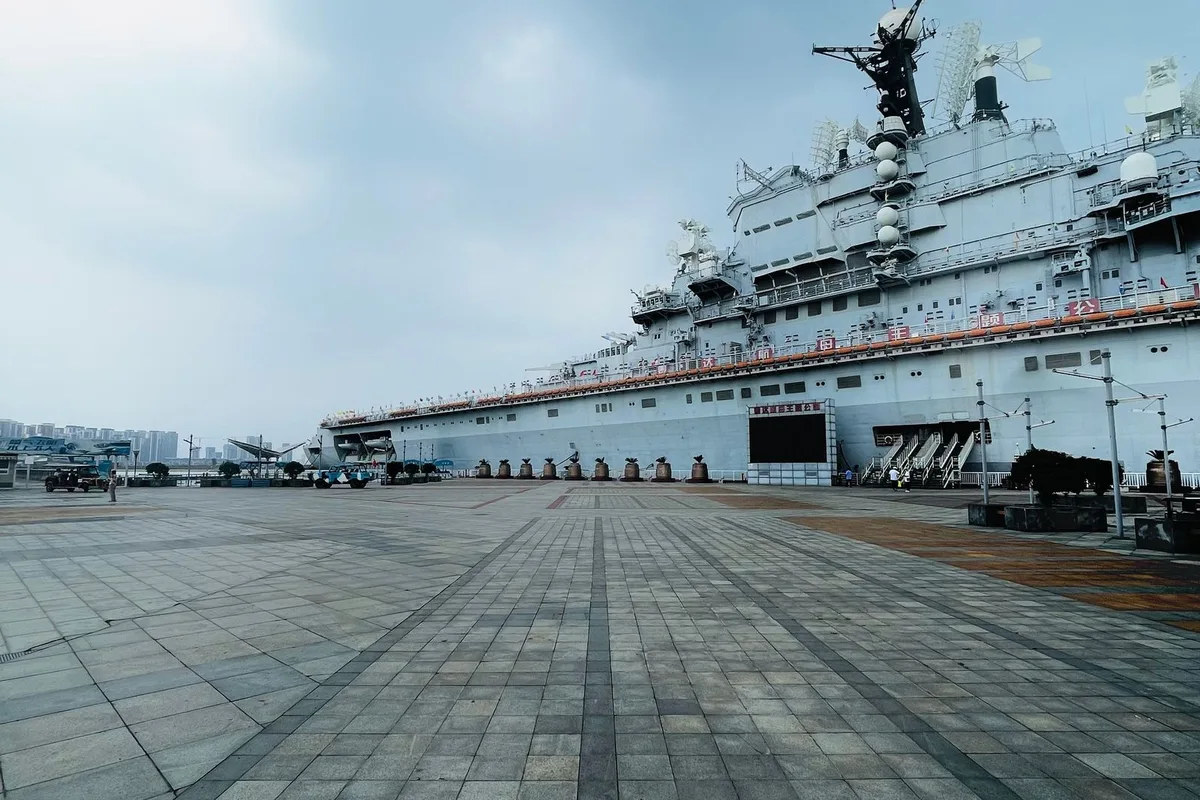
A gangway is a portable ramp or ladder that crew and visitors use to get on and off a ship. It links the ship’s side to the dock or pier.
There are two common types:
Accommodation ladder: a stair like ladder that hangs from the side of the ship. It is used when the deck is high above the water or the dock.
Gangway ramp: a more level walkway that rests on the dock when the ship is alongside.
A crew member usually stands gangway watch to see who comes aboard. A safety net is rigged below the gangway to catch anyone who falls. Do not confuse it with a pilot ladder, which is a rope ladder used to move pilots between a small boat and a moving ship.
What Are Anchors and Mooring Gear?
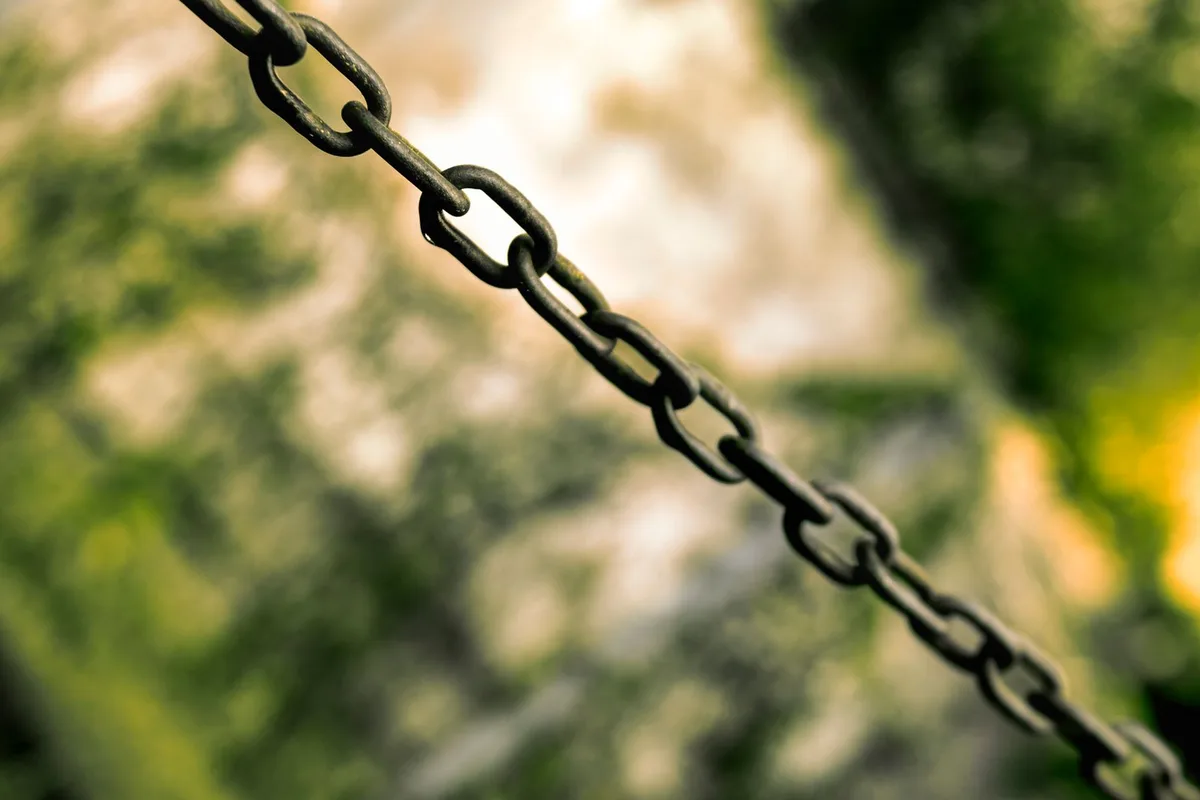
Anchors and mooring lines keep a ship in place.
Anchor: a heavy steel hook that digs into the seabed and holds the ship at rest outside port.
Anchor chain: the strong chain that links the anchor to the ship.
Windlass: the machine on the forecastle that lifts and lowers the anchor chain.
Hawse pipe: the opening in the side of the bow that guides the chain.
Mooring lines: thick ropes that tie the ship to the dock.
Winches and bollards: the winches pull the lines tight, while bollards are strong posts on the ship and dock where lines are secured.
Fairleads: guides that direct lines smoothly onto the deck.
When a ship docks, the deck crew handles all of this gear under the direction of the chief officer and the master.
What Safety Parts Does Every Ship Carry?
Every ship carries gear for emergencies:
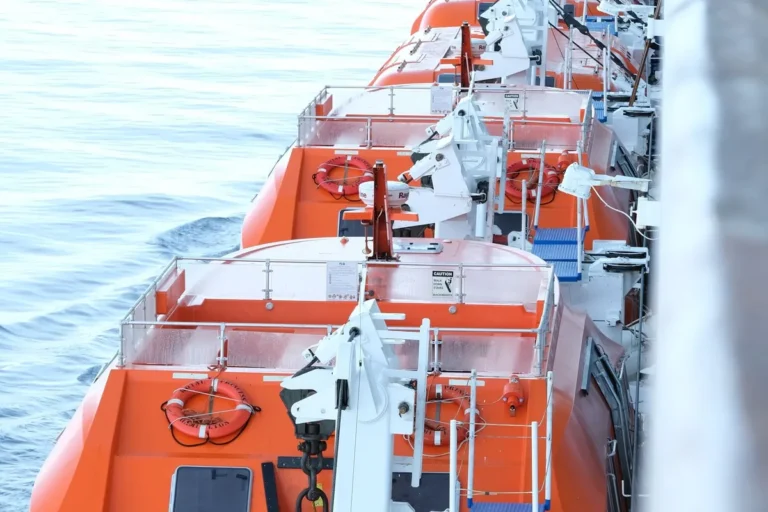
Lifeboats and life rafts: carried at the sides of the accommodation block, launched with davits.
Lifebuoys and life jackets: placed in marked spots across the ship.
Fire fighting equipment: extinguishers, hoses, fixed systems and fire pumps.
Alarm systems: general alarms, detectors and public address systems.
Watertight doors: close to stop flooding from spreading.
Crews practice drills so they know how to use each item.
What Are Draft, Freeboard and the Load Line?
Draft is the depth of the ship below the waterline, from the water surface to the bottom of the keel. Freeboard is the height from the waterline up to the main deck. Together they show how much cargo the ship carries and how much reserve buoyancy it has.
A set of marks on the hull, known as the load line or Plimsoll line, shows the legal limit for loading in different waters and seasons. Crew check these marks before sailing so the ship never carries too much weight.
How Do the Parts of a Ship Change on the Biggest Vessels?
The names stay the same on a small boat or the largest ship, but the scale changes. A famous example is the Seawise Giant, the largest ship ever built, at about 458 meters long. It still had a hull, keel, bow, stern, bridge, engine room, rudder and gangway. The parts were simply far bigger, and crew needed more time to move between them.
That is the key point of this guide. Once you know the basic ship parts, you can understand any vessel from a tug to a giant tanker.
Final Thoughts
The parts of a ship look complex at first, but they follow a simple logic. The hull keeps the ship afloat, the engine and propeller move it, the rudder steers it, and the superstructure controls and houses the crew. The gangway, anchor and mooring gear connect the ship to land. Learn these groups one at a time and the whole vessel makes sense.
For more simple ship guides like this one, keep reading MarineOar.
Frequently Asked Questions
What are the five main parts of a ship?
The five key areas are the hull, the superstructure, the engine room, the deck and the steering and propulsion system. Together they cover floating, living, power, cargo and movement.
What does the rudder do on a ship?
The rudder steers the ship. It is a flat blade at the stern that turns to push water sideways, which swings the bow left or right.
What is a gangway on a ship?
A gangway is the ramp or ladder used to board and leave a ship. It connects the ship’s side to the dock and is watched by a crew member for safety.
What is the difference between bow and stern?
The bow is the front of the ship and the stern is the back. The bow cuts through waves, while the stern holds the propeller and rudder.
Read More
Ship Hull
Keel