Top Ship Building Companies in India
Which ship building companies in india actually build the vessels that sail, fight and carry cargo? They are the government and private yards that design, construct and repair ships, from patrol boats to aircraft carriers. India has more than 50 shipyards, yet it builds less than 1 percent of the world’s ships, so the field that matters is small. The leaders are five state owned yards, Mazagon Dock, Cochin Shipyard, Garden Reach, Goa Shipyard and Hindustan Shipyard, with L&T and Swan Defence as the strongest private names.
Which Are the Top Ship Building Companies in India in 2026?
Here is the short list, with what each yard is best known for.
| Yard | Base | Owner | Best known for |
|---|---|---|---|
| Mazagon Dock Shipbuilders | Mumbai | Government | Destroyers, frigates, submarines |
| Cochin Shipyard | Kochi | Government | Largest yard, aircraft carrier, commercial ships, ship repair |
| Garden Reach Shipbuilders and Engineers | Kolkata | Government | Warships, patrol vessels, exports |
| Goa Shipyard | Vasco da Gama | Government | Patrol vessels and mid size naval ships |
| Hindustan Shipyard | Visakhapatnam | Government | Submarine refits and ship repair |
| L&T Shipbuilding | Kattupalli, near Chennai | Private | Naval and offshore vessels |
| Swan Defence and Heavy Industries | Pipavav, Gujarat | Private | Tankers, offshore vessels, repair |
Smaller names such as Chowgule, Tebma, Titagarh and Hooghly Cochin build tugs, patrol craft, barges and inland vessels. They matter for coastal trade, but they do not build large warships or ocean going tankers.
How Big Is Shipbuilding in India Compared With the World?
Indian shipbuilding is still small, and the gap with the leaders is large. China builds about 53 percent of the world’s new ships, South Korea about 28 percent and Japan about 12 percent. India sits near 16th in the world by capacity and holds under 1 percent of global output.
The reasons are practical. Indian yards have had operating costs 25 to 30 percent higher than their main rivals. Borrowing rates of 10 to 10.5 percent also hurt, and many core parts, especially marine engines, are imported. For these reasons, the ship building companies in india have historically relied on naval work, where the government is the customer and pays on a set schedule.
What Makes Mazagon Dock Shipbuilders Special?
Mazagon Dock is India’s largest and oldest defence shipyard and a key partner of the Indian Navy. Brokers describe it as the country’s only proven builder of both destroyers and conventional submarines. That position gives it a strong claim in any list of Indian shipyards.
Its pipeline is heavy with submarines. The Defence Acquisition Council planned a repeat order for three Kalvari class submarines, worth about ₹36,000 crore, to be placed with Mazagon on a nominated basis. At the end of December 2025, the yard’s order book stood at ₹23,758 crore. Mazagon Dock Shipbuilders also handles some commercial and offshore engineering work, but defence is its core.
Why Is Cochin Shipyard India’s Largest Yard?
Cochin Shipyard is the largest shipbuilding and maintenance facility in India. It is also the only Indian yard able to build an aircraft carrier. The government owns about 68 percent of the company, and it delivered 70 ships in five years, including 60 small commercial vessels and 10 naval ships.
Cochin Shipyard is the most commercial of the big names. In October 2025, CMA CGM signed a letter of intent with it for six LNG powered feeder ships, with Hyundai technology support. The yard had already signed a cooperation agreement with HD KSOE, the Korean shipbuilder, in July 2025 covering design, equipment supply and training. The board has also approved a 23 percent stake in Conoship, a Dutch design firm, to reach European coastal shipping markets. It also delivered India’s first hydrogen fuel cell vessel.
Its order book was about ₹23,000 crore in early 2026. In the quarter ended December 2025, shipbuilding earned about ₹1,013 crore for the yard, against ₹337 crore from ship repair.
What Does Garden Reach Shipbuilders Build?
Garden Reach Shipbuilders and Engineers (GRSE) is a Kolkata yard that builds warships and support vessels for the Navy and Coast Guard. It is the most active exporter among the government yards.
Broker SMIFS reported that GRSE ended FY26 with an order book of about ₹15,320 crore across 39 platforms. The yard can build 28 ships at once and aims to reach 35 by the end of 2026, after taking over three sites from the Syama Prasad Mookerjee Port in Kolkata. In 2026, GRSE also signed a pact with Swan Defence to chase commercial vessel and offshore structure orders together.
What Is Goa Shipyard Known For?
Goa Shipyard was founded in 1957 as a Portuguese era yard that built barges for the mining trade. Today it focuses on offshore patrol vessels, fast patrol craft and corvettes for the Navy and Coast Guard.
It has limits. It cannot build ships above about 15,000 deadweight tonnes, so it will not compete for big tankers or bulkers. Even so, Goa Shipyard reported revenue of about ₹4,004 crore for 2026 and net income of about ₹331 crore, which shows how steady its naval work is.
What Role Does Hindustan Shipyard Play?
Hindustan Shipyard in Visakhapatnam began as the Scindia Shipyard in 1941 and was nationalised in 1961. It is the second biggest yard in India after Cochin. By 2026 it had built 203 vessels, repaired 2,045 ships and refitted six submarines.
Its identity is repair and refit more than new construction. The navy relies on it for submarine refits, although the yard has a history of slow refit schedules. Hindustan Shipyard signed a new partnership agreement on 9 February 2026.
Which Private Yards Matter Most?
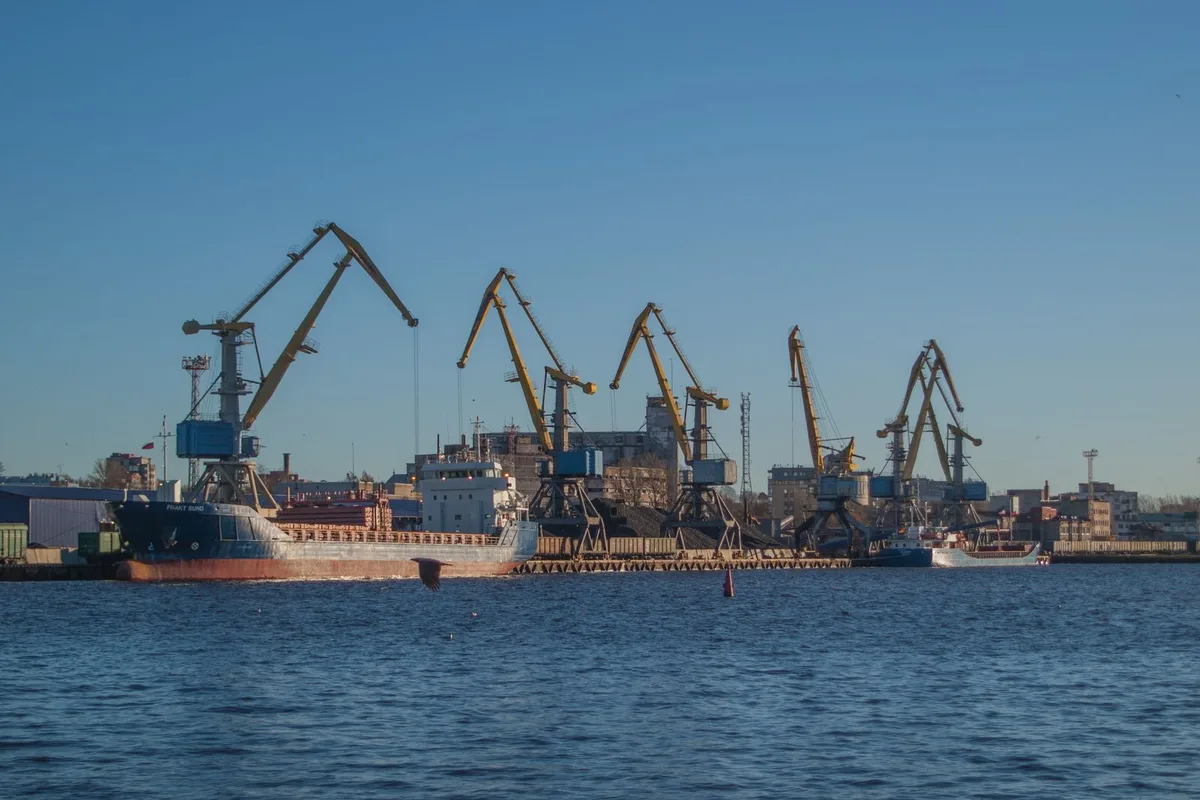
Private ship building companies in india are fewer and smaller than the government yards, but two stand out.
L&T Shipbuilding runs a 900 acre yard at Kattupalli near Chennai. L&T built it with an investment of about ₹5,000 crore, mainly to compete for warship contracts. It designs vessels in its own warship design centre and has argued that private yards need access to larger naval orders to stay profitable.
Swan Defence and Heavy Industries runs the Pipavav yard in Gujarat, which has the largest dry dock and fabrication capacity of any Indian yard across 600 acres. The yard went bankrupt under its earlier owner, Reliance Naval and Engineering. Swan Group restarted it, with $250 million invested and another $250 million planned over two years. In January 2026, Swan signed a $227 million deal with Norway’s Rederiet Stenersen for six chemical tankers, and by October 2026 its order book was about ₹6,500 crore. It also sold five long abandoned offshore vessels from a 2009 order to San Maritime India so they could be finished.
Which Companies Handle Ship Repair in India?
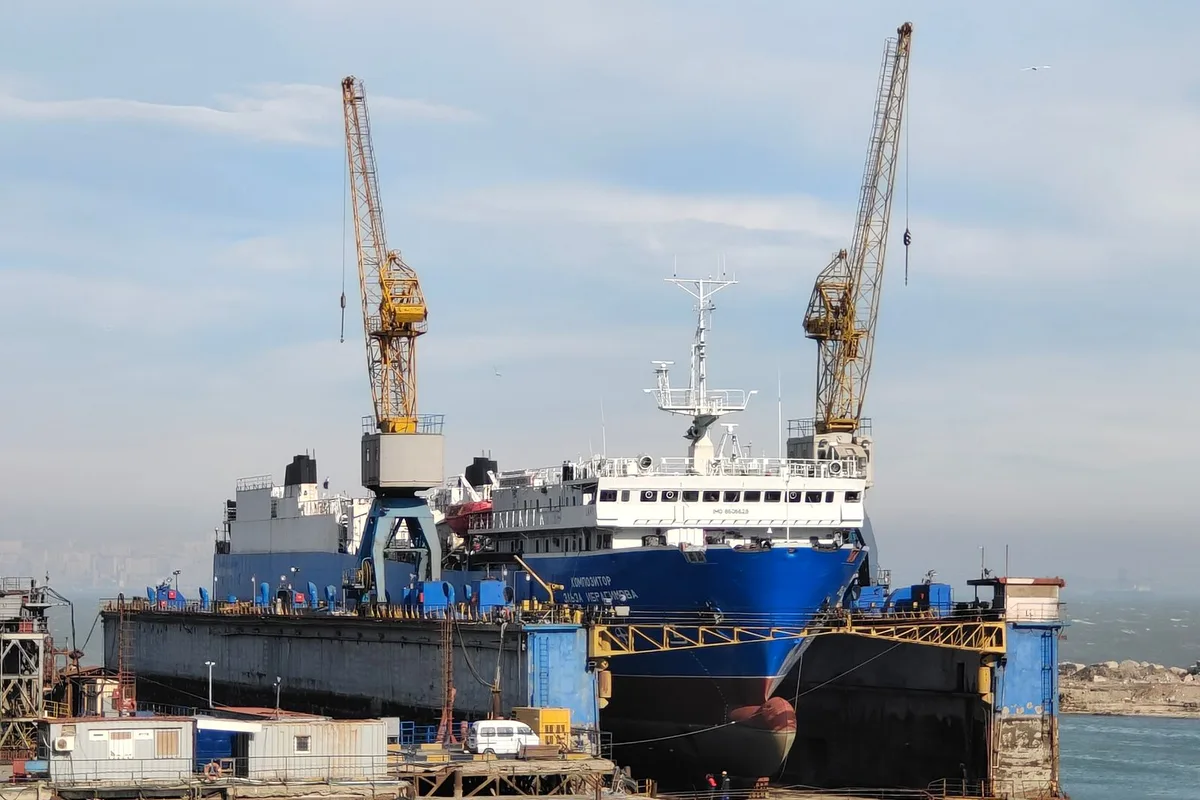
Ship repair is a quieter business with steady demand. A ship needs overhauls and class surveys over its 20 to 30 year life, so repair keeps docks busy between new orders.
Cochin Shipyard leads the commercial repair market, and brokers single it out for this strength. It runs an international ship repair facility that serves foreign owners. Hindustan Shipyard handles naval repairs and submarine refits. Swan’s Pipavav yard has also repaired Indian Coast Guard vessels since restarting. For anyone tracking ship repair India, those three yards are the names to know.
How Is the Government Changing Indian Shipbuilding?
Policy has moved faster than the shipyards themselves. In September 2025, the government announced a ₹69,725 crore package to rebuild the sector. It includes about ₹20,000 crore in shipbuilding incentives, a Maritime Development Fund and interest support of up to 3 percent. It also requires 30 percent domestic value addition for subsidised ships and plans to aggregate demand for more than 110 domestically built vessels over ten years.
In January 2026, the government cleared shipbuilding schemes worth ₹44,700 crore. These support new greenfield shipbuilding clusters and the modernisation of existing yards. The aim is to give Indian yards cheaper finance, nearby suppliers and steady orders, the three things that built the Korean and Chinese industries.
What Challenges Do Indian Shipyards Still Face?
Defence work dominates, so commercial skills and export track records are still thin.
Suppliers are spread out, which raises costs and slows delivery.
Engines and key components are still imported.
Financing is expensive compared with Asian rivals.
Delivery times on complex naval ships have often run late.
Large order pipelines are not the same as fast revenue. Shipbuilders earn money at milestones, so a yard with a huge order book can still grow slowly. Anyone studying these companies should compare delivery records, not only announcements.
What Should You Remember About Shipbuilding Companies in India?
The leaders are Mazagon Dock for submarines and destroyers, Cochin Shipyard for commercial and repair work, GRSE for warships and exports, Goa Shipyard for patrol vessels and Hindustan Shipyard for refits. L&T and Swan Defence carry the private sector.
If you want to understand what happens inside these yards, from dry docks to outfitting quays, our guide to a shipyard explains the basics. For more maritime industry coverage, visit MarineOar. The best ship building companies in india are growing, but the real test over the next few years is whether they deliver commercial ships on time.
FAQ
What are the top ship building companies in India? The leading yards are Mazagon Dock, Cochin Shipyard, Garden Reach Shipbuilders and Engineers, Goa Shipyard and Hindustan Shipyard. L&T Shipbuilding and Swan Defence are the main private players.
Which is the largest shipyard in India? Cochin Shipyard in Kochi is the largest shipbuilding and maintenance facility in India. Hindustan Shipyard in Visakhapatnam is the second biggest.
Which Indian shipyard builds submarines? Mazagon Dock in Mumbai builds conventional submarines, including the Kalvari class. Hindustan Shipyard refits submarines but does not lead new construction.
Do Indian shipyards build ships for foreign buyers? Yes. Swan Defence signed a $227 million deal for six chemical tankers with a Norwegian owner, and CMA CGM signed a letter of intent with Cochin Shipyard for six LNG powered feeder ships.