
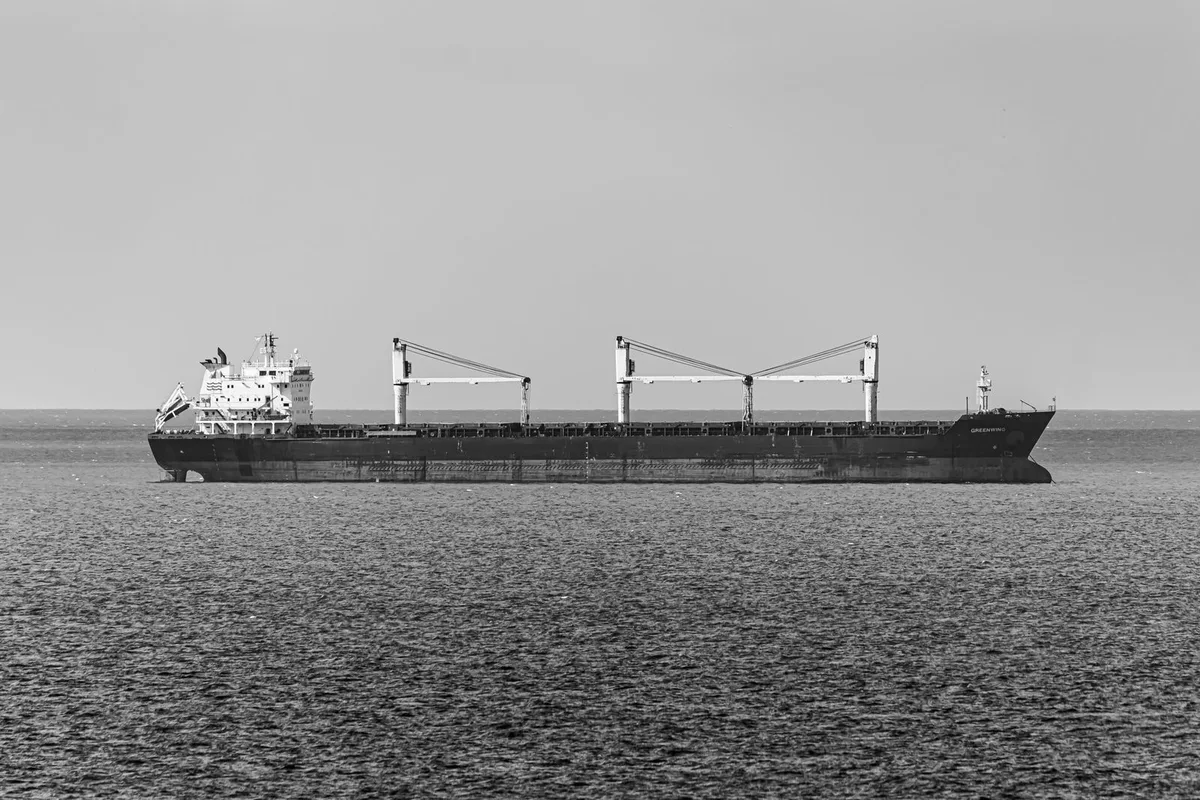
What Is a Chief Mate? The Ship’s Second in Command
What is a chief mate? A chief mate is the deck officer who ranks directly below the captain and takes over command of the ship when the captain is incapacitated. This officer also leads the deck department, so cargo, safety and the deck crew all answer to them. In short, the person in this seat is the ship’s second in command.
If you have ever looked at a crew list and wondered who keeps a ship running day to day, this is the rank to know. The captain makes the big calls. The chief officer turns those calls into daily work. This guide covers what the job involves, where it sits among seaman ranks, how it differs from the second mate and third mate, which certificate you need, and what the pay looks like.
What Does a Chief Mate Do on a Ship?
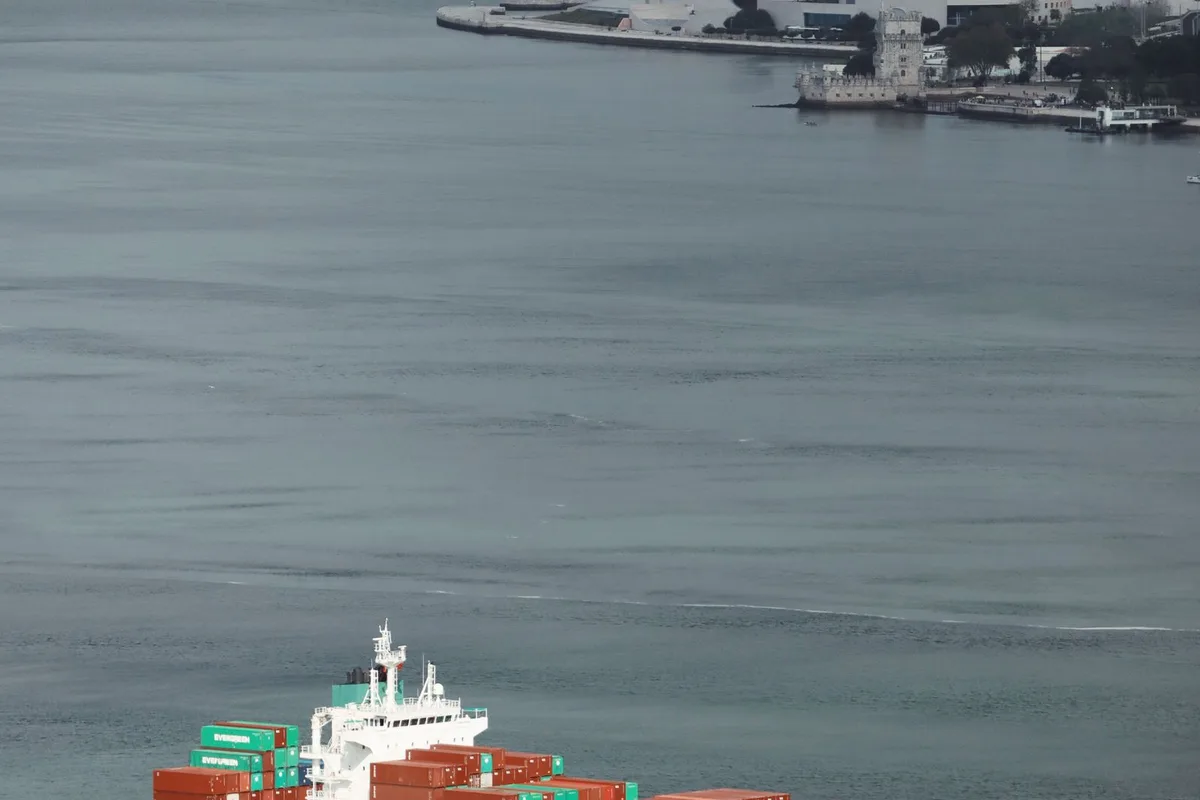
The chief mate manages cargo, deck upkeep, crew training and safety on board. Think of the job as three roles in one: cargo boss, safety lead and teacher. Industry guides and real job ads describe the duties like this:
Cargo. The officer manages stowage, loading and discharging. On tankers, this also means knowing how to handle hazardous cargo.
Deck upkeep. The officer supervises deck maintenance, mooring, ballasting and deballasting, and hull inspections.
Safety and drills. A current job ad for a vessel in the Marshall Islands says the officer oversees crew welfare and training in areas such as safety, firefighting, and search and rescue.
Training. The officer trains crew and cadets on safety, firefighting, search and rescue and other emergencies.
Paperwork and rules. The officer keeps vessel charts and maritime publications up to date, and also acts as the garbage and waste management officer and the rest hours and discipline officer.
Work with the engine room. The same job ad says the officer oversees the preventive maintenance program together with the engineer.
On a typical ocean going ship with about 20 crew members, one officer carries cargo, safety, training and paperwork all at once. That is why the role is seen as the busiest job on board.
Is the Chief Officer the Same as a First Mate?
Yes. One rank goes by three names: chief mate, chief officer and first mate. The chief mate, chief officer or first mate is the department head for the deck department. Names change by company and country, but the job and its place on the ladder stay the same.
Where Does This Rank Sit Among Seaman Ranks?
Most merchant ships split the crew into three main departments: deck, engine and catering. The captain sits on top. Each department has its own head, and the deck head is the chief officer.
Here is the deck ladder from top to bottom:
- Master (captain)
- Chief officer
- Second mate
- Third mate
- Bosun, the senior rating who reports directly to the chief officer
- Able seaman
- Ordinary seaman
- Deck cadet
Company charts vary a little. Some companies put the catering department under the chief officer, and cadets may be shown as officers or placed near the bottom of the chart. Officers hold licenses, while ratings like the bosun and able seamen do the hands on deck work. If you want to see how these seaman ranks turn into real vacancies, read our guide to Merchant Seaman Jobs.
What Is the Difference Between a Chief, Second and Third Mate?
“Mate” is simply another word for a deck officer. The three mates split the work in a clear way:
- Chief officer: runs the deck department, cargo and crew training.
- Second mate: is the ship’s primary navigator, who prepares the voyage plan and keeps nautical charts and publications up to date. The second mate usually stands the 12 to 4 watch.
- Third mate: looks after lifesaving and firefighting equipment and updates the muster list. The third mate often keeps the 8 to 12 watch.
The second mate plans the voyage. The third mate looks after the safety gear. The chief officer manages the whole deck. Another guide notes that the second mate is the third most experienced deck officer after the captain and the chief officer.
Does the Chief Officer Stand a Watch?
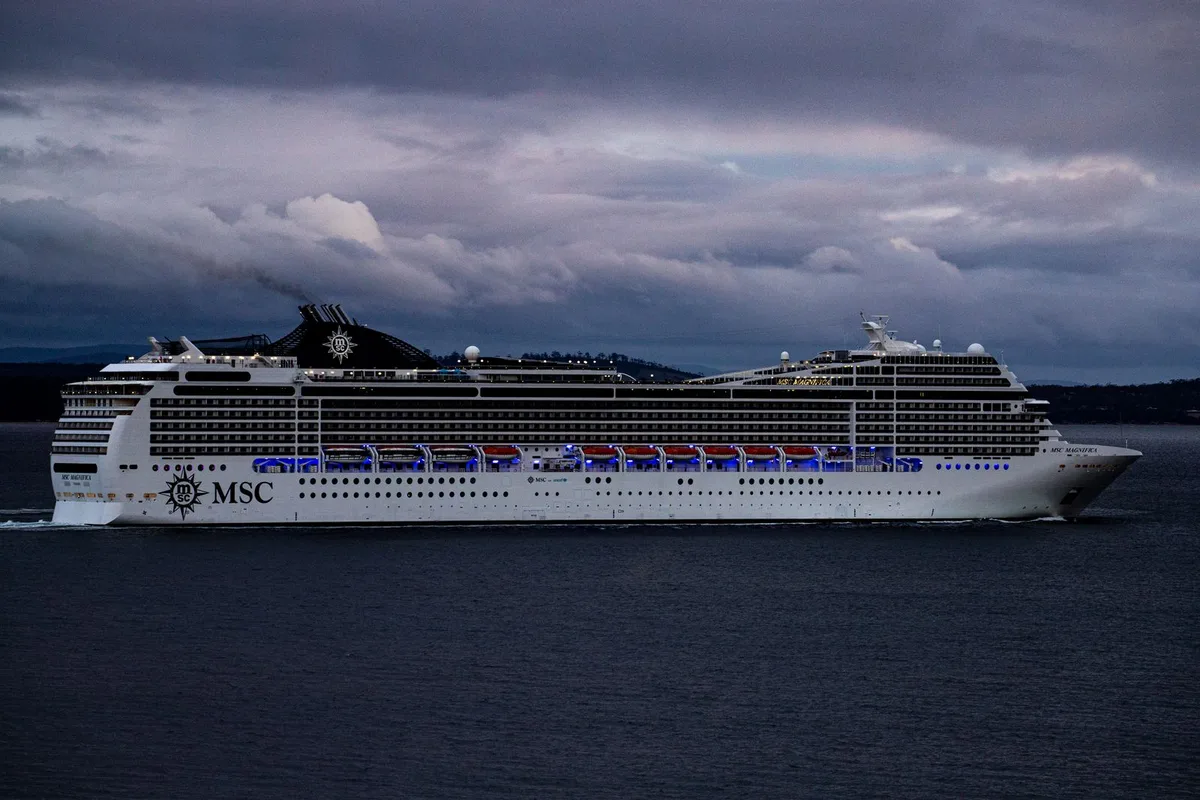
It depends on the ship. On many ships the chief mate keeps the 4 to 8 watch, which means 4 AM to 8 AM and again from 4 PM to 8 PM. On other ships, depending on crew size, the officer works as a day worker instead. Either way, cargo operations in port can stretch the day well past normal hours.
How Do You Qualify for the Chief Officer Role?
The rules come from the STCW convention, the international standard for seafarer training. STCW Regulation II/2 covers masters and chief mates. Anyone serving in either seat on a ship of 3,000 gross tonnage or more must hold a certificate of competency.
To serve as a chief mate on a ship of 3,000 gross tonnage or more, you follow this path:
- Earn your officer of the watch certificate. This is the certificate for an officer in charge of a navigational watch on ships of 500 gross tonnage or more. Our guide to Merchant Navy qualifications explains how people get there.
- Build sea time. You need approved seagoing service as a watchkeeping officer of not less than 12 months.
- Pass the management level training and assessments that your country requires.
On smaller ships between 500 and 3,000 gross tonnage, the bar is lower. A candidate for chief mate on those ships only needs to meet the watchkeeping officer requirements.
Countries add their own rules on top. In the United States, a training provider explains that an unlimited tonnage national license needs 360 days of sea service while holding a second mate endorsement. Employers can ask for even more. One university training ship job description wants two years of experience at second mate unlimited or higher plus a long list of STCW endorsements. Always check your own maritime authority for the exact rules.
How Much Does a Chief Officer Earn?
Pay changes with the company, vessel type, flag state and contract length, so treat any number as a rough guide. One seafarer education site that lists 2026 as its copyright year gives a range of $6,000 to $12,000 a month for the job, and its figures differ a little between sections. The same guide places the second and third mates well below that, which shows how big the pay step is when you move up. A chief mate earns more than any other deck officer under the captain, and tankers and specialist ships often pay the most.
Can the Chief Officer Become a Captain?
Yes, and this seat is the usual stepping stone. For a master’s certificate on a ship of 3,000 gross tonnage or more, you need approved service of not less than 36 months as a watchkeeping officer, and this drops to 24 months if 12 of those months were served as chief officer. That means a year in the chief’s seat can cut a full year off the road to command.
What Skills Does the Job Demand?
The role mixes people skills with technical skill. A good chief officer plans cargo, keeps records clean, trains juniors and stays calm when plans change. The Marshall Islands job ad puts it plainly: trust, confidentiality and responsibility are key parts of the position.
The Bottom Line
The captain holds final command, but the chief officer makes the ship work hour by hour. It is the deck department’s top job, the main rung before command, and one of the best paid officer roles at sea. If you aim for the bridge, learn this rank well.
FAQ
What is a chief mate?
It is the deck officer ranked just below the captain. This officer heads the deck department and takes command if the captain cannot.
Is the second mate higher than the third mate?
Yes. The order is captain, chief officer, second mate, then third mate.
What certificate does a chief officer need on a large ship?
On ships of 3,000 gross tonnage or more, the officer needs an STCW II/2 certificate of competency, plus at least 12 months of watchkeeping service.
Can a chief officer become captain?
Yes. With 12 months as chief officer, the sea time needed for a master’s certificate can drop from 36 months to 24 months.


One Comment
Comments are closed.